BLOG
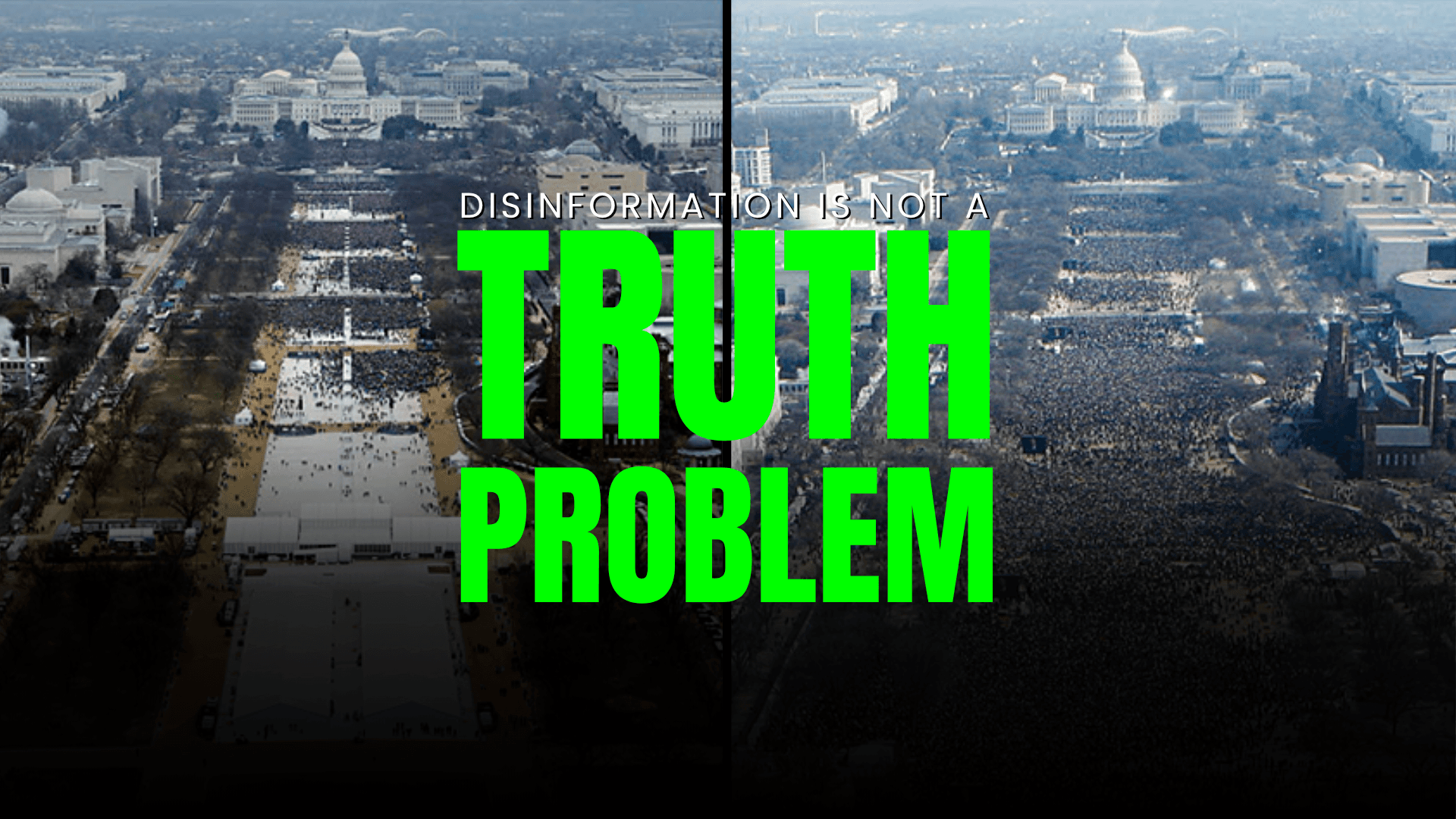
Disinformation Is Not a Truth Problem
Disinformation does not spread mainly because people lack facts, but because it often offers belonging, status and emotional payoff more effectively than truth does.
Author:
Tom Greenwood
Published:
2026-03-24
Share Article
Most responses to disinformation still start from the same flawed assumption: that people believe bad information because they lack good information.
That is comforting. It is also wrong.
People can build whole political ideologies on next to no information if those ideas give them something emotionally or socially rewarding. But spill coffee on a laptop and suddenly research starts to look like a very sensible idea.
That contrast matters.
It tells us that very little is working so far to solve the disinformation problem because old media thinking still fundamentally misunderstands user motivation and user experience.
Our motivations are complex. Sometimes we seek truth. But much of the time, belonging, status or distraction matter more.
People do not open TikTok to be lectured. And many do not see the relevance of spending energy learning a new skill like media literacy if it does not help them get ahead in the endless grind of modern social competition.
This is the real gap in a lot of current anti-disinformation work. It treats the problem like pedagogy: explain better, fact-check harder, teach people how to think. All useful, up to a point.
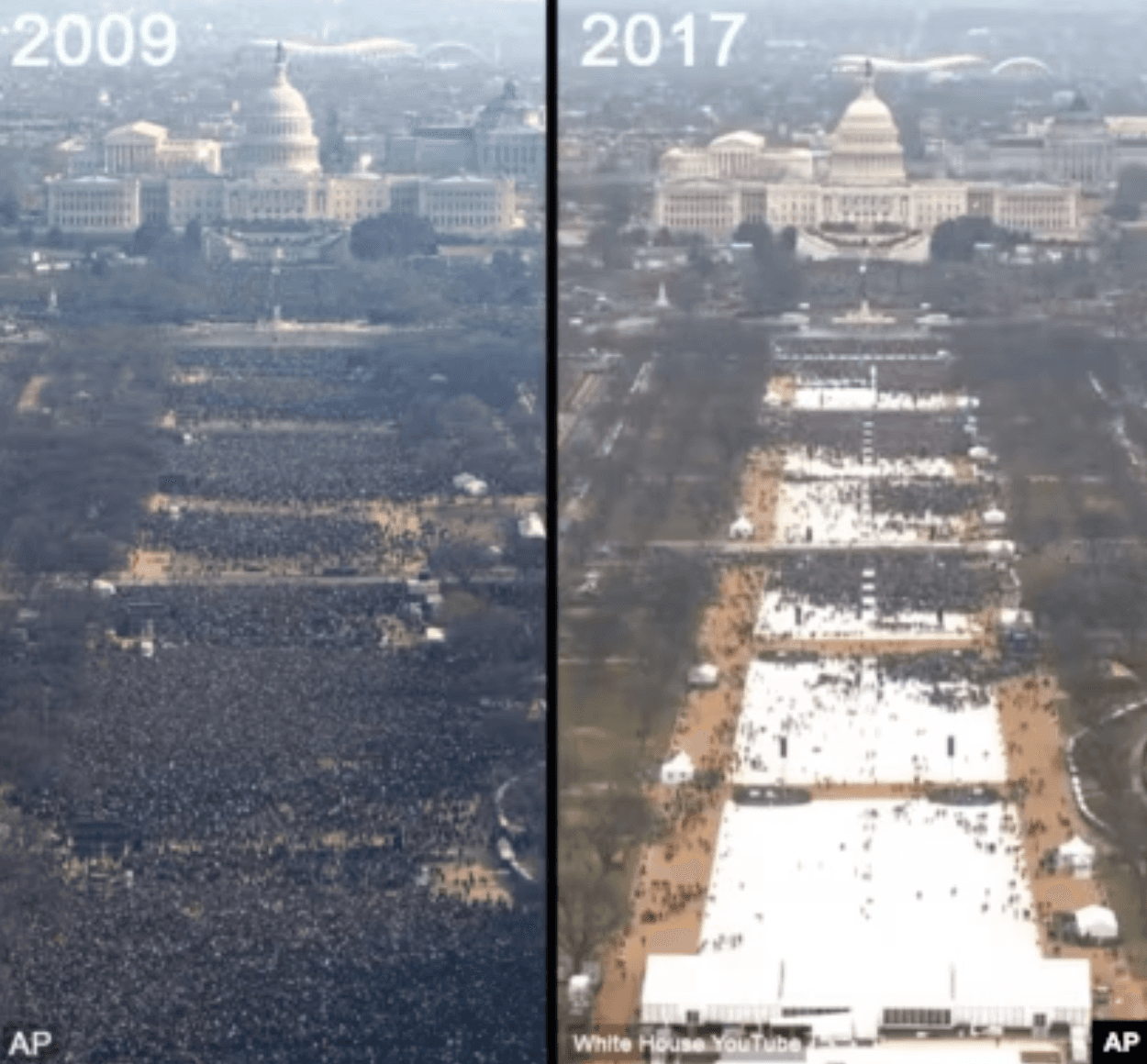
(This widely shared comparison from the Obama and Trump inaugurations became a symbol of the “fact crisis”: the assumption that if people can be shown the evidence clearly enough, false claims will collapse under their own weight. In practice, things turned out to be much messier than that.)
But disinformation does not spread mainly because it is convincing on the facts. It spreads because it is often better at meeting human needs.
In that sense, disinformation behaves much more like marketing than like debate.
It does not just sell a claim. It sells a feeling. A frame. A tribe. A role for the user inside the story.
That is the shift in thinking that matters. The human layer of the disinformation problem is not mainly about knowledge. It is about social currency. It is about helping people belong.
Once you start from there, a lot of things become easier to understand.
It becomes easier to understand why lifestyle influencers often have more persuasive power than experts. Why podcasters and personalities were so instrumental in Trump’s success. Why anti-vaxxing, flat earth, QAnon and other forms of disinformation can become socially sticky even when their factual basis is weak or absurd.
They are not just information systems. They are belonging systems.
And if we are serious about competing for influence in the new digital reality, then we need to make media that meshes with how people work in the real world.
That comes with implications.
It means moving beyond organic social, which mostly reaches people who already like you. It means understanding that audience motivation matters as much as message content. It means accepting that reach, relevance and affinity now depend on format, personality, repetition and distribution as much as they depend on factual accuracy.
That may involve lifestyle influencers. It may involve a smarter media mix across entertainment, personality-driven formats and other spaces that institutions usually dismiss as unserious.
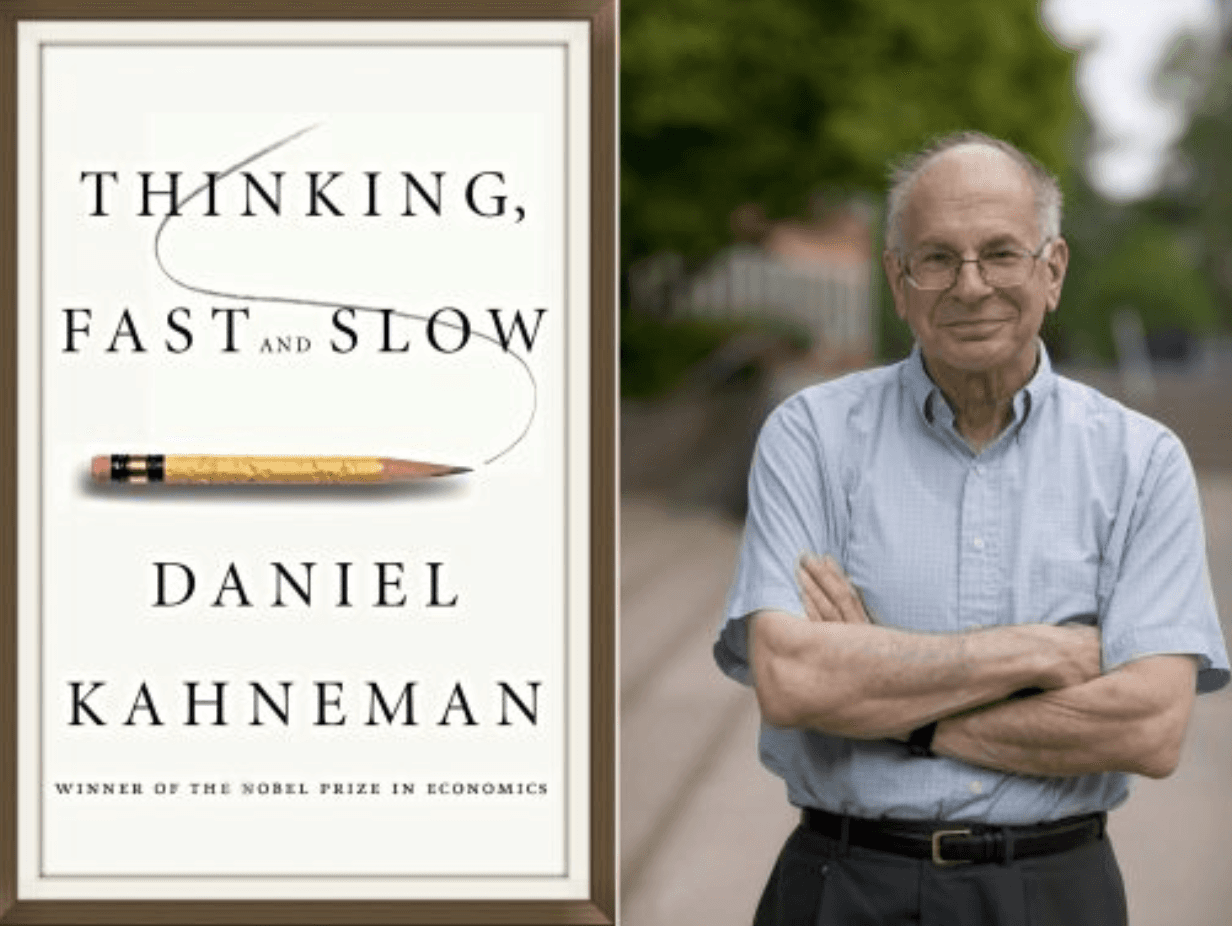
(The book helps illustrate the older worldview many institutions still operate with: the idea that better information and better reasoning are enough to correct public error. The point of this piece is not that those things do not matter, but that they are not enough on their own in today’s media environment.)
It may carry a price tag. But if we are serious about addressing disinformation and polarisation, then we need to get serious about the environments in which influence is actually formed.
There is a precedent for that.
When radio and television were the new media technologies, governments spent billions building their own influence machines: the BBC, ARD, RAI, PBS and others. For much of the last century, they enjoyed something close to a monopoly over the information flow.
Those influence machines are not obsolete. But they now have a hundred million competitors.
The monopoly is gone. The competitors include foreign states, grifters, conspiracists and cynical political operators. Many of them use behavioral insight, emotional targeting and smart distribution far better than most public-interest institutions do.
So the answer is not to abandon old media. It is to build a healthier mix of old and new.
Done properly, that would also be a major boost to fact-checking.
Right now, algorithms mostly serve fact checks to people who already like facts.
Our own analysis of 10,000 comments across 10 fact-checking organisations suggested that as much as 80% of engagement aligned politically with democratic values. In plain terms: the people engaging with fact checks often already know the facts, are among the least vulnerable to disinformation and may, to a significant extent, be using fact-checking content to meet belonging needs of their own.
That is not a criticism of fact-checking. It is a distribution problem.
User experience makes the internet go round. And good UX is simply about how well content or design meets the user’s motivation.
So if we want fact-checking, civic information and democratic narratives to reach the people who really matter, then we need to increase motivation among the apolitical majority. We need to make engagement feel relevant, rewarding and socially legible to people who are not already bought in.
The answer is still partly about good information, of course.
But it is equally about building mainstream cultural affinity for the narratives that strengthen social cohesion, institutional trust and shared reality.
And that is still not happening at anything like a meaningful scale.