BLOG
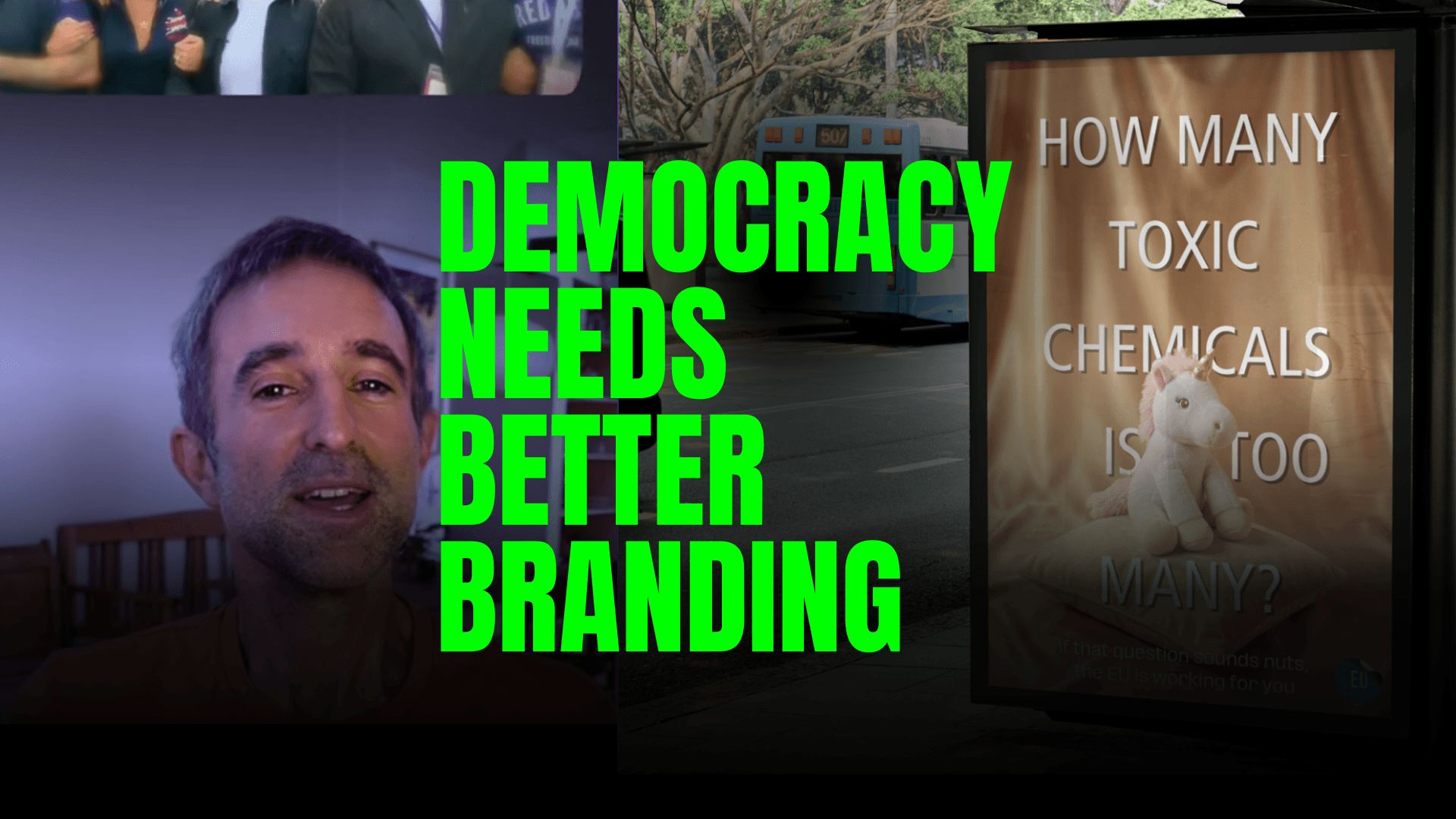
Democracy needs better branding
Branding isn’t your logo, it’s the instant shortcut in people’s minds that decides whether your message travels beyond your bubble or dies in it.
Author:
Dirk Kunze
Published:
2026-01-21
Share Article
Branding is not your logo. It’s the shortcut in someone’s head
The feed doesn’t reward good intentions. It rewards what people choose to engage with.
That’s why the people that try to weaken social cohesion use media like a weapon: not to persuade everyone, but to build traction where it counts.
Meanwhile, many institutions still struggle with the basics of new-media influence: they publish what they think is important, then measure success by cheap engagement from the people who already agree. The result is predictable: reach narrows, bubbles harden, the mainstream drifts away.
Logiq Media exists to fix this with Impact Engineering: audience-first strategy, live message testing, targeting logic that doesn’t just feed the algorithm and traction metrics that show what actually travels beyond the base.
Branding is where a lot of “serious” political communication quietly dies.
What branding actually is
Branding is not your logo. It’s not your color palette. It’s not your corporate values poster.
A brand is the instant feeling people get when they see your name. The shortcut their brain takes before they decide whether to care.
You already have a brand. The only question is whether it helps you or sabotages you.
Why populists win here
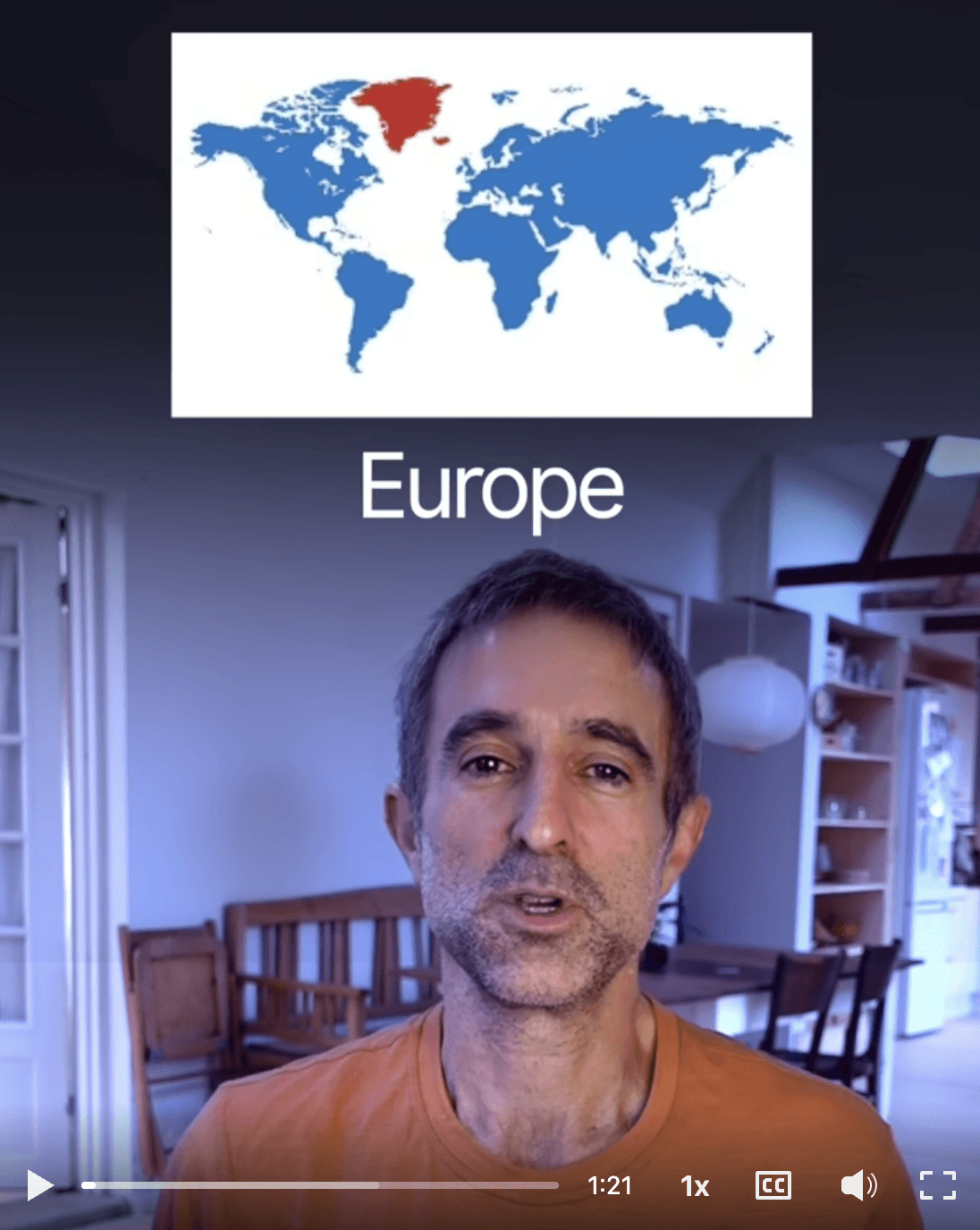
Populists aren’t powerful because they have better facts. They’re powerful because they build brands that match people’s current fears, hopes and identity needs. Their messaging feels like it “fits” the world their audience experiences.
A lot of constructive actors do the opposite. They treat branding as suspicious, then write messaging by committee. Every internal stakeholder gets a sentence. Every risk gets padded. Every edge gets filed down.
That’s how you end up with content that offends nobody and moves nobody.
The fix
Brand strength comes from disciplined repetition: one promise, in human language, repeated until it becomes the default association in people’s minds.
Then you test. Not “which headline got more likes from our core fans” but which framing earns attention from persuadable mainstream audiences who don’t already live in your bubble.
That’s the difference between communication as broadcasting and communication as an influence system.